
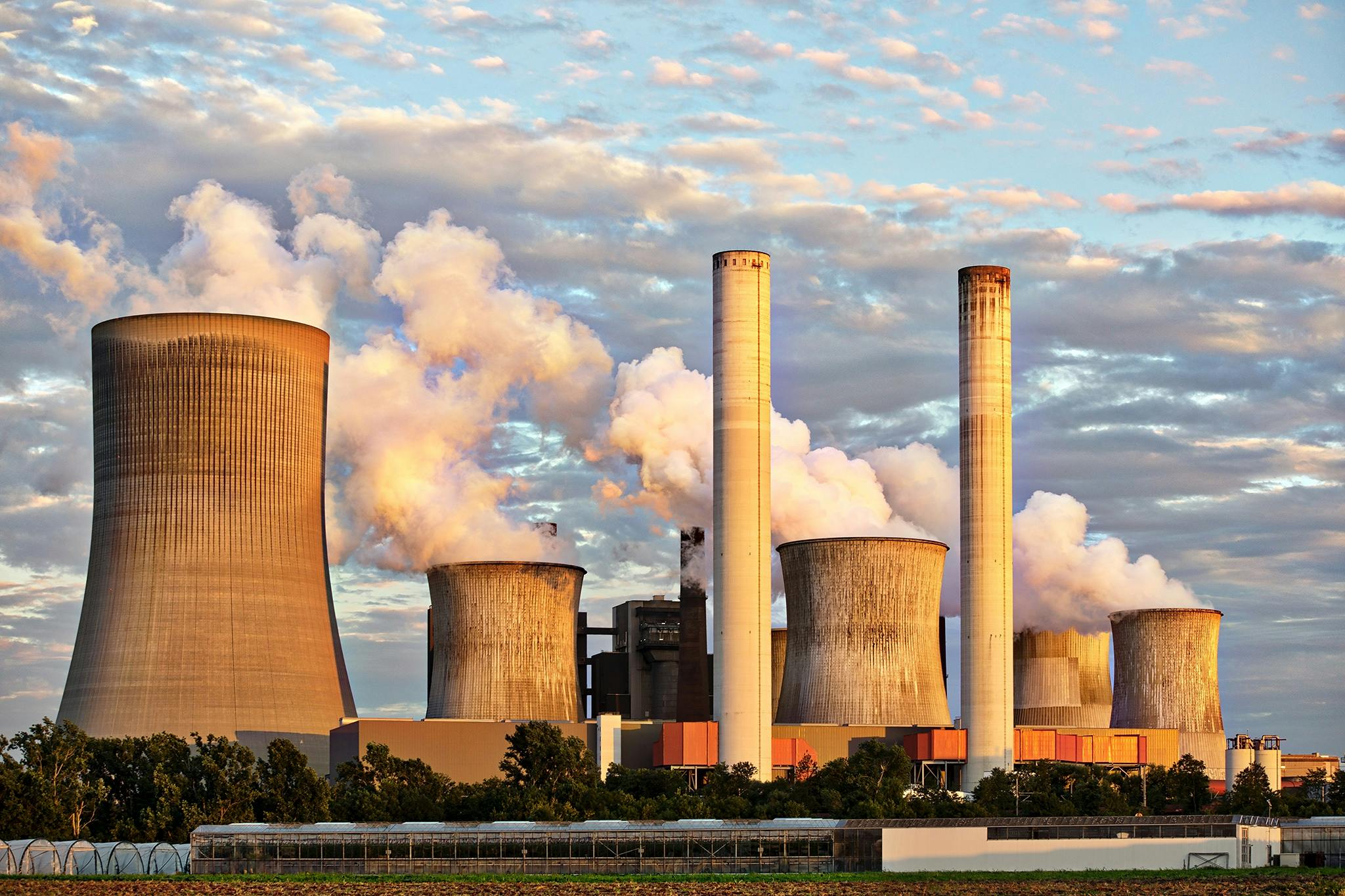
Indonesia, the biggest carbon releaser in Southeast Asia, has developed an energy transition roadmap outlining the targets and strategies to achieve a net zero commitment by 2060. Based on the government’s Comprehensive Investment and Policy Plan for Indonesia’s Just Energy Transition, Indonesia needs $97.3 billion in investments between 2023 and 2030. The targeted areas include transmission lines and grids, early retirement of coal-fired power plants, and acceleration of renewable energy. In this piece, I will lay down the reasons why reducing fossil fuel subsidies is imperative and the hardest challenge for this initiative.
The price difference between fossil fuels and renewables makes it harder for people to move to clean energy. Currently, fossil fuel prices are lower than their economical costs. According to globalpetroprices.com data, the gasoline price in Indonesia on September 9th, 2024, was only around 87 cents per liter, lower than in neighboring countries such as Singapore ($2.1) or Thailand ($1.33). On the other hand, despite the decreasing costs of initial investments, renewable energy remains costly due to the additional expenses required to manage its intermittent nature. Consumers, including businesses and industries, will continue using fossil fuels if they are more affordable and reliable.
The state budget allocation to fossil fuel subsidies also reduces the available funds for discretionary spending, including clean energy project initiatives. According to the Ministry of Finance data, in 2023, fossil fuel subsidies accounted for approximately 5% of total state spending or about US$10 billion. Meanwhile, the government needs a substantial additional budget to provide the infrastructure for energy transition, such as renewable energy facilities, grid expansion, and energy storage systems.
Fossil fuel subsidies also hinder investment in renewables, the backbone of the energy transition. The High-Level Expert Group on Climate Finance report estimated that around 55% of energy transition will be funded domestically, with a significant contribution from the private sector. Meanwhile, fossil fuel subsidies reduce the demand for energy produced from renewable sources, making renewable projects less economically feasible. They also increase dependence on fossil fuel imports, heightening the cost of funding and vulnerability to currency exchange risks. As a result, the cost of clean energy projects in Indonesia remains too high to attract the much-needed investments.
Some argue that fossil fuel subsidies are crucial for maintaining purchasing power, lowering transportation costs, and controlling inflation. Additionally, raising fossil fuel prices would have a direct impact on the well-being of low-income individuals. For instance, someone earning just Rp30,000 per day would struggle to absorb a Rp10,000 per liter increase in gasoline prices. Furthermore, energy access in some remote regions of Indonesia remains limited, making subsidies essential for ensuring energy affordability. Therefore, proponents claim that fossil fuel subsidies are necessary to stimulate economic growth and reduce inequality across regions.
However, as the problem with any subsidized goods, we couldn’t control who ultimately benefits from it. Higher-income households consume 80% of fossil fuel subsidies. Moreover, low fossil fuel prices also encourage the use of internal combustion engine vehicles, worsening pollution and congestion. As a net importer, high dependency on fossil fuel increases energy security vulnerability and foreign exchange risks. Additionally, fossil fuel smuggling activities have also been spotted along the Indonesian border. These subsidies contradicts the nation’s goal of reaching a net zero emissions by 2060.
To reach its energy transition goal, Indonesia should accelerate the phase-out of fossil fuel subsidies and redirect a portion of these funds toward the clean energy sector. The reallocated funds could be used to create stronger economic incentives for investment in renewable energy through direct funding, low-interest loans, guarantees, or subsidies. They could also support other important components of energy transition initiatives, such as energy efficiency programs, R&D in clean technology, public transportation, infrastructure development, and policy support. To mitigate the impact on low-income populations, this policy could be combined with more targeted social assistance programs, such as cash transfers or the expansion of other social safety nets.
Reducing fossil fuel subsidies has long been an unpopular and politically challenging policy. Nevertheless, reforming these subsidies is essential to redirect state funds to those who truly need them--subsidizing the person, not the product-- and to combat global warming. We must begin acknowledging the drawbacks of fossil fuel subsidies and increase public awareness to build the necessary political support.
The faster Indonesia advances its energy transition, the greater the likelihood of achieving our climate targets. While there may be skepticism about climate change and the impact of reducing fossil fuel subsidies, recent alarming climate data suggest that doing so could actually potentially save hundred years of generations.