
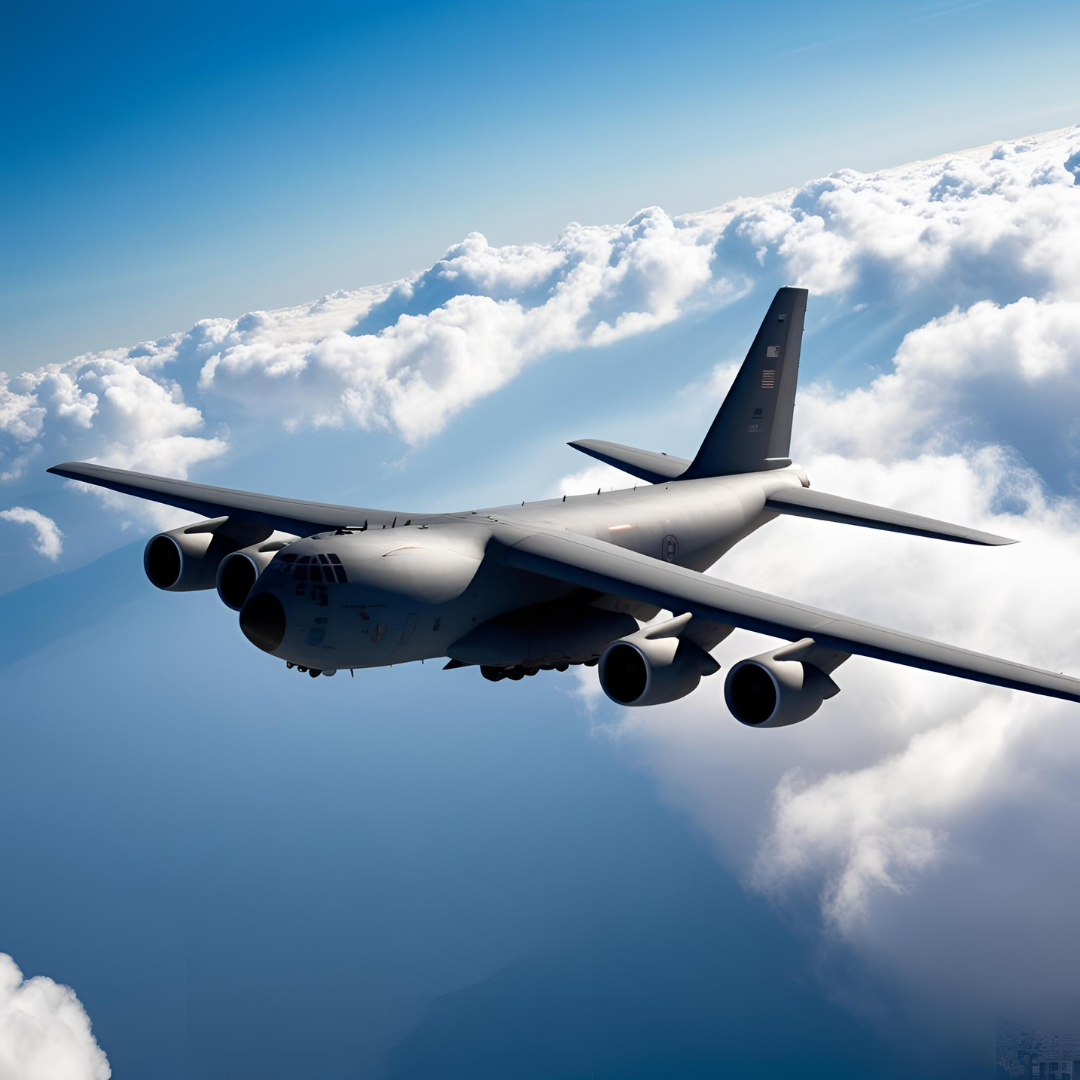
The military arms trade, driven by the highest tension in conflict areas, such as East Europe due to the Russian-Ukraine conflict, has strategic implications. This conflict has significantly impacted the arms trade, with Ukraine's government military spending seeing a substantial increase. In 2023, Ukraine's government spending on the military comprised 58.17% of its budget, a figure that underscores the strategic importance of military spending. This high percentage reflects the country's prioritization of defense in the face of the ongoing conflict, and it's a significant allocation that affects other areas of the budget. Ukraine imported military arms from the US, as did the Europeans, who recently relied on US military arms.
Other countries are also grappling with extreme conflict, as reported by the Armed Conflict Location and Event Data Conflict Index. These include Palestine, Myanmar, Syria, Mexico, Nigeria, Brazil, Colombia, Sudan, Cameroon, and Pakistan. The situation in these countries is dire, with innocent civilians bearing the brunt of the violence and their governments struggling to find solutions to the escalating crisis. This global impact of military spending should make us all feel connected and part of a larger narrative where our actions and decisions have far-reaching consequences. It's a stark reminder that the effects of military spending are not confined to national borders, but ripple across the globe, affecting us all.
The portrayal of conflict situations in predominantly low-income countries underscores the critical role of the state budget in shaping a country's defense strategy spending. This insight should make the audience feel enlightened and knowledgeable about the complexities of defense strategy spending. Despite having a lower military spending policy, Indonesia keeps its efforts on its defense needs. In addition to the state budget, the military has found another avenue to bolster its arms collection. Signing international agreements, such as the Indonesia-South Korea joint KF-21 Jet Fighter Programme, presents numerous opportunities for mutual benefit and enhanced military capabilities, offering hope in these challenging times.
Regardless of some challenges that occur during the implementation of the military agreement, I try to emphasize that the role of the state budget in the military field is pivotal in supporting the endurance of the government, particularly in the defense sector. These challenges can range from logistical issues to political disagreements. The Ministry of Defence's program, specifically designed to assist and protect the country, is a testament to the gravity of the armed forces and all citizen's responsibilities. The program, which requires a certain cost quality to maintain running based on the stipulated target and schedule, plays a significant role in supporting sustainable bilateral or multilateral relationships and ensuring the safety and security of the nation and its citizens.
The case of Indonesia-US relations, bonding with the high-tech military armaments and transport aircraft sales, has become another subject to discuss the significant performance of military budget spending. The same as the quality to maintain other stakeholders, in military discipline, the principle of reinforcing the understanding of each country's sovereignty and sharing what global armed forces do in the future indicates how the military needs support and cooperation among nations to avoid misunderstanding. Selling military armaments and transportation aircraft has purposive agreements from one country to another to increase the country's defense from terror and distractions, even though these relations need budget spending to objectify them.
These US-Indonesia military attributes sales teach all that the state budget is significantly involved in maintaining the state defense and security quality. As noted information, US army armaments and transportation aircraft sales to Indonesia, based on the fact sheet of the Bureau of Political-Military Affairs published on January 20, 2025, mention that the official US-Indonesia military, diplomatic relations have made active government-to-government military armaments and transportation aircraft sales. These sales are facilitated through the Foreign Military Sales (FMS) system, which regulates and streamlines international military sales, thereby enhancing diplomatic relations.
The US-Indonesia military attribute sales, with a value of approximately $1.88 billion, underscore the significant involvement of state budget spending for what the Indonesian military needs. The official US military documents declared that Indonesia purchased some military equipment, namely F-16C/D Block 25 fighter aircraft, AH-64D Apache Block III Longbow helicopters, MV-22 Block C Osprey aircraft, and Javelin missiles. Those high-tech and high-standard-quality military equipment become valuable state assets that can be forged as prolonged utilized assets for nations' prosperity and sovereignty. In addition to military attributes trading, the US military supports Indonesia's military capacity enhancement through military forces capacity building, including military personal assistance and other financial aid.
The case of the US-Indonesia military trading agreement recounted the involvement of the state budget in the entire state defense building. From this perspective of the army's bilateral agreement to fulfill its needs, there is no surprise that the government set a considerable amount of the state budget for military or state defense matters. However, the scale of military budget spending, counted from the entire government spending, is only 3.92%. This figure, when compared to the total government spending, gives a sense of the priority given to defense. The percentage comes up with the government state budget in 2023 as a baseline. Meanwhile, if it is quantified based on the GDP of 2023, it only consists of 0.68%. This figure, when compared to the GDP, gives a sense of the economic impact of military spending.
The involvement of the state budget for military spending is essentially undertaken by all countries, including developed countries such as the United States of America and some European countries. The state budget always plays a pivotal role in the national welfare because, without a proper defense strategy, the state will lose some potential economic aspects to develop its nations. Furthermore, supporting the results of the modern military industry implicates positive outcomes such as increased trading, technology advancements, and the possibility of increasing high-skilled military knowledge to pursue high-tech arms or transportation aircraft proliferations. These outcomes can lead to economic development and a more secure national defense.
Disclaimer:
The author states that this article is written based on his opinion and does not represent any institution. Moreover, the author is not responsible for the content or accuracy of the information in this article and shall not be responsible for any decision made by the information shown in this article.